Enduring Beauty, Naturally Protected: Oils, Waxes, and Low‑VOC Finishes for Furniture
Today we’re diving into natural oils like tung, polymerized linseed, and walnut; smart waxes from beeswax to carnauba; and modern low‑VOC finishes that safeguard indoor air. You’ll learn proven application routines, care schedules, and repair tricks that keep tables, chairs, and cabinets looking graceful for decades. Expect shop‑tested insights, a safety refresher, and real stories that balance authenticity with performance. Share your experiences, ask questions, and help refine these durable methods together.
How Natural Protection Extends a Furniture’s Life
VOCs and the Air You Breathe
Volatile organic compounds evaporate during application and cure, affecting odor, comfort, and indoor air quality. Look for finishes under commonly cited thresholds, often below 50 g/L for many waterborne coatings, and seek credible labels like GREENGUARD Gold. Reduced emissions do not mean weak protection; modern resins and hardwax blends can cure tough yet breathable. Proper ventilation, thin coats, and realistic cure times help homes with kids, pets, and sensitive noses enjoy safer finishing days.
Penetrating Oils versus Film Coats
Penetrating oils seep into the wood, hardening within the fibers and preserving the organic feel and warmth of grain. Film‑forming finishes, especially quality waterborne polyurethanes, build a protective layer on top. The first approach highlights tactile authenticity and spot‑repair simplicity; the second excels at abrasion resistance and stain blocking. Many woodworkers combine strategies, using oil to enrich color and a thin, low‑VOC topcoat for added protection, achieving a practical balance of character and durability.
Wax as a Renewable Shield
Beeswax and carnauba blends provide a sacrificial layer that accepts light scuffs so wood beneath stays unharmed. This approach favors maintenance over replacement: a quick buff restores luster, closes micro‑scratches, and revives sheen. Carnauba’s high melt point improves hardness; beeswax adds glide and a velvety touch. Pairing wax with cured oil yields a breathable surface that ages beautifully, inviting regular care rituals rather than disruptive, solvent‑heavy refinishing cycles. Furniture gains resilience through gentle, repeatable attention.
Selecting Oils: Tung, Linseed, Walnut, and Hemp
Choosing an oil means weighing cure speed, color shift, water resistance, and sustainability. Pure tung offers proven durability and moisture resistance; polymerized linseed accelerates cure without heavy metal driers; walnut adds food‑contact flexibility and delicate warmth; hemp supports matte, low‑sheen authenticity. Each option influences grain contrast, ambering, and feel under hand. Test boards reveal surprises: maple may blush warmer, oak might deepen dramatically. The right pairing honors wood’s voice while serving real‑world spills, heat, and sunlight.
Tung Oil: Dense Protection with Classic Warmth
Historically favored for marine‑adjacent durability, tung oil cross‑links into a flexible, water‑resistant network. Multiple thin floods, well wiped, minimize skinning and sticky residue. True, pure tung cures slower but rewards patience with depth and a mellow sheen, especially on walnut and cherry. Avoid mystery blends labeled loosely; clarity on solids content matters. In practice, tung shines on table tops and armrests where touch, spill resilience, and repairability matter. Keep airflow steady and allow generous cure time.
Polymerized Linseed: Quicker Cures, Fewer Additives
Heat‑bodied linseed oil leaps ahead of raw linseed by curing significantly faster, often without cobalt or manganese driers that can raise concerns. It warms pale species nicely and deepens figure on ash and oak. The trick is restraint: wipe thin, wait, and buff before tack sets. Because polymerized variants avoid the protracted tackiness of raw, they are friendly for busy shops and small apartments. Follow with a hard wax to improve abrasion resistance while preserving tactile sincerity.
Walnut and Hemp: Food-Contact and Subtle Sheen
Walnut oil appeals for kitchenware and nursery furniture because it cures without strong odors and maintains a mild, natural glow. It is slower than tung, yet forgiving, and refreshes easily. While severe nut allergies are rare with refined finishing oils, always disclose usage and test. Hemp oil, often semi‑drying, delivers a soft, low‑lustre look ideal for rustic pieces or milk‑painted surfaces. Think heirloom cutting boards, toy chests, and benches that prefer gentle, repeatable care over thick films.
Waxes that Work: Beeswax, Carnauba, and Blends
Waxes tune the final feel, reflectivity, and grip of a surface. Beeswax buffs to a soft glow and silky touch; carnauba adds hardness and scuff resistance. Blending them with mineral‑free solvents or natural oils creates pastes that spread thin, cure cleanly, and revive quickly. On oiled wood, wax completes a breathable system that rewards maintenance. The right mix prevents stickiness in warm rooms, resists fingerprints, and lets chairs slide without scraping, balancing real‑world usability with handcrafted charm.

Beeswax Basics and Velvet Touch
Beeswax melts at relatively low temperatures, making it easy to dissolve into a creamy paste with gentle solvents or citrus‑derived carriers. Applied sparingly and buffed thoughtfully, it rounds over the feel of open pores and softens glare under morning light. Fingerprints wipe away with a flannel cloth, and minor scuffs hide in the glow. For nursery furniture, this approachable, familiar finish communicates warmth and care, encouraging seasonal refreshes instead of harsh stripping or heavy sanding sessions.
Carnauba: High-Melt Durability and Shine Control
Carnauba’s higher melt point provides superior hardness and abrasion resistance, crucial for table edges, drawer fronts, and chair rails that get touched constantly. In blends, small percentages stiffen softer waxes without turning surfaces plastic or overly slick. Apply in whisper‑thin coats, then power‑buff with a clean pad to tune the sheen from satin to bright. Because carnauba resists softening in summer heat, it helps maintain consistent appearance in sunny rooms, protecting against streaking while preserving natural grain expression.
Low‑VOC Finishes that Still Deliver Strength
Modern waterborne polyurethanes, acrylic blends, and hardwax oils prove that low emissions and high performance can coexist. Labels listing grams per liter, solids content, and cure windows help set expectations. Independent certifications reduce greenwashing, while manufacturer technical sheets guide sanding grits, recoat times, and temperature ranges. With careful prep and light coats, these finishes protect table tops from spills and scuffs without trapped odors. The result is a clean, resilient surface that still looks and feels like wood.

From Prep to Cure: A Reliable Workflow
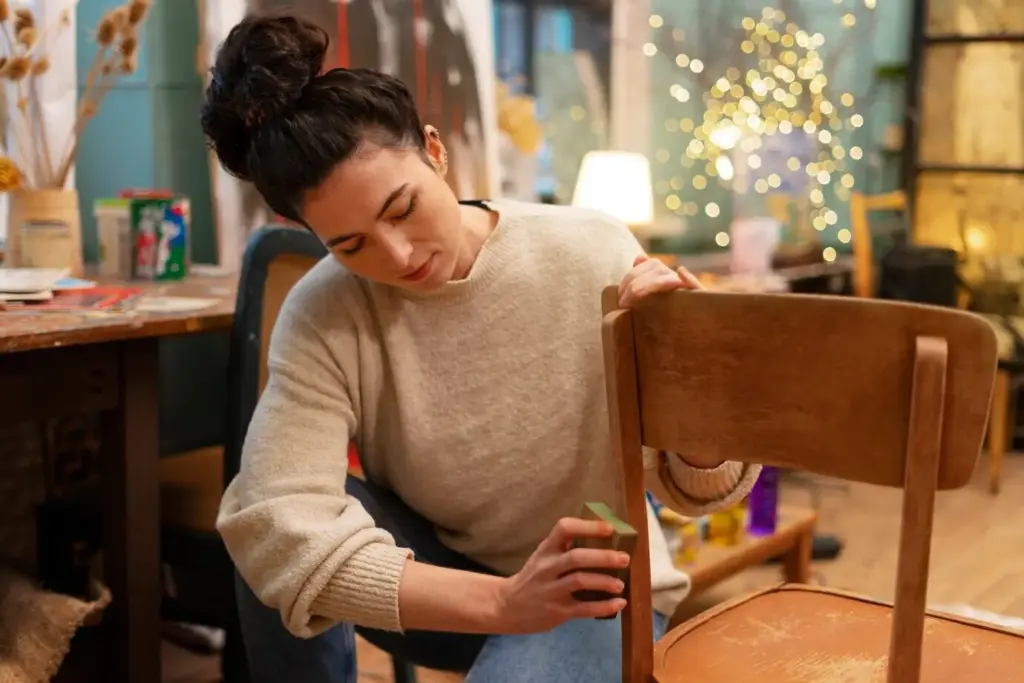
Great results begin with consistent preparation: sand to an appropriate grit, raise grain if using waterborne products, and remove dust methodically. For oils, flood, dwell briefly, then wipe until almost dry to the touch. For waxes, apply thin, cure fully, and buff with patience. Respect cure times, because oxidative finishes harden from oxygen and temperature. Above all, prioritize safety by controlling ventilation and managing oily rags responsibly. A measured approach transforms finishing from risky guesswork into repeatable craftsmanship.

Maintenance, Repair, and Stories from the Shop
Durability grows with simple, regular care. Gentle soap, dry cloths, and seasonal re‑waxing keep surfaces lively without buildup. Oil‑finished furniture invites spot refreshes rather than drastic overhauls, making upkeep practical for families. We’ll share a walnut table’s yearlong journey, from birthday cupcakes to winter humidity shifts, along with lessons from clients who tested coasters and placemats. Add your own experiences, schedules, and favorite products in the comments so others benefit from real homes, not only lab charts.
Minor scratches disappear after a gentle rub with a nonwoven pad and a touch of compatible oil or paste wax, buffed to blend. White water rings often respond to mild heat from a hair dryer, followed by fresh wax. Steam can lift dents on unfinished spots, but test first. The goal is restraint: fix only what you see, keep sheen consistent, and avoid aggressive sanding that thins veneers or edges. Quick, targeted care keeps furniture welcoming and confident.
High‑traffic spaces need planned attention. In kitchens, wipe spills promptly and re‑wax high‑touch edges each season. Dining tables benefit from placemats during the first weeks, then quarterly refreshes where plates slide. Nursery pieces value low odor and gentle cleaners, so schedule light maintenance during nap time when windows are cracked. Post a small checklist inside a cabinet door. These tiny rituals prevent crises, stretch the life of finishes, and keep family routines uninterrupted by emergency refinishing projects.

All Rights Reserved.