Fresh, Safe Care for the Furniture You Love

Today we are diving into non-toxic cleaning recipes for everyday furniture maintenance, turning simple pantry staples into reliable helpers that protect your home’s comfort, style, and health. Expect clear guidance, encouraging stories, and carefully tested mixtures that respect finishes, reduce indoor pollutants, and make daily tidying calmer, faster, and pleasantly fragrant without harsh residues or complicated steps.

Why Gentle Formulas Work Better at Home
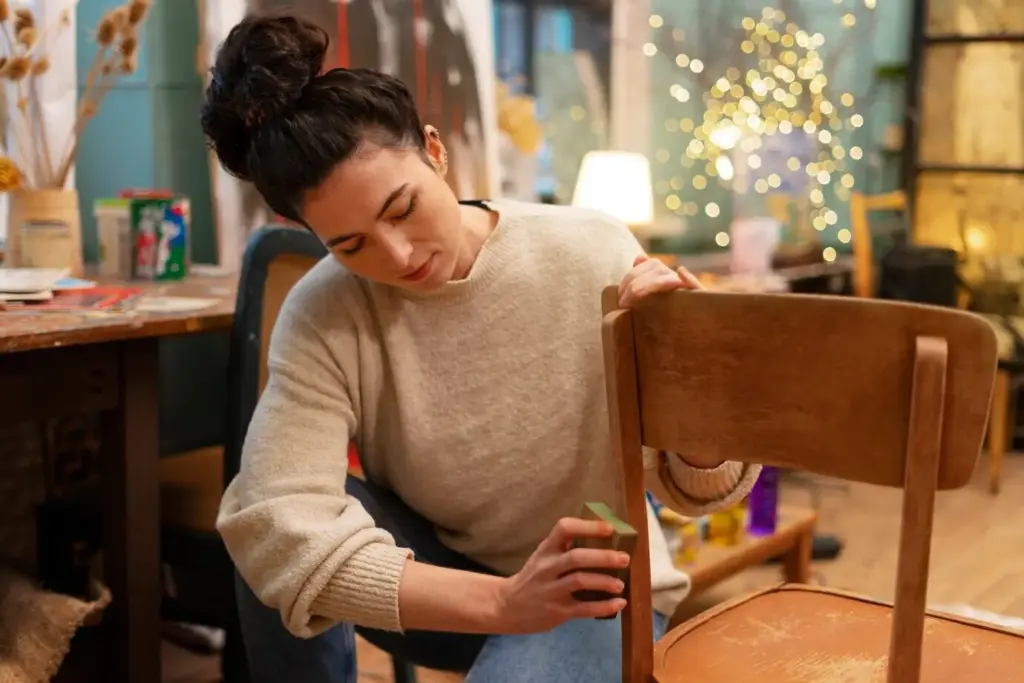
Choosing non-toxic solutions for daily furniture care improves air quality, preserves finishes, and keeps curious kids and pets safer around freshly cleaned surfaces. Gentle formulas reduce irritation from strong fragrances, minimize volatile compounds, and offer a calmer routine that feels welcoming rather than clinical. When cleaning ingredients are simple and transparent, you gain confidence, avoid unnecessary risks, and maintain the character of wood, fabric, leather, and metal without stripping their protective layers.

Pantry Staples That Power Your Routine

A thoughtful toolkit might include distilled water, white vinegar, castile soap, baking soda, mild alcohol for glass, and a few optional essential oils used sparingly. Each ingredient offers a clear role while remaining safe for daily touchpoints. Understanding strengths and limits is crucial: avoid acids on natural stone, skip abrasives on high-gloss lacquer, and always wipe dry to protect wood. With practice, you will pair the right ingredient with each surface confidently.

Daily Dusting Spray

Combine one cup distilled water, one tablespoon white vinegar, and four to six drops of mild castile soap. Optional: a single drop of lavender or lemon essential oil, if household sensitivities allow. Lightly mist a microfiber cloth, not the wood, then wipe along the grain. Immediately buff dry to remove moisture. This subtle blend lifts fingerprints, reduces static, and refreshes surfaces without heavy shine, preserving finish clarity and keeping routine care quick and pleasantly consistent.

Nourishing Conditioner for Dry Wood

Melt one part beeswax with three parts jojoba or fractionated coconut oil over low heat, stirring until smooth. Cool slightly, then store in a small tin. To use, apply a pea-sized amount with a soft cloth, working thin layers along the grain. Let rest ten minutes and buff thoroughly. The finish appears softly revived, not greasy. Repeat sparingly each season, and always test on a hidden spot to ensure the tone and sheen remain beautifully even.

Water-Ring Rescue

For fresh rings trapped in a finish’s top layer, place a clean cotton cloth over the mark and glide a warm, not hot, iron for a few seconds, checking often. Alternatively, dab a fingertip of plain white toothpaste, not gel, and gently rub, then wipe and dry. Some swear by a tiny touch of mayonnaise, buffed carefully. Always test first, proceed slowly, and stop if dullness appears. The goal is gentle lifting, not aggressive removal.

Upholstery and Fabric-Friendly Solutions

Spot Cleaner for Quick Response
Mix one cup lukewarm water with half a teaspoon castile soap and one teaspoon white vinegar in a spray bottle. Mist a cloth lightly, then blot the stain from its outer edge toward the center. Rinse cloth, blot again with plain water, and repeat as needed. Press with a dry towel to lift moisture, then allow airflow to finish drying. This calm, methodical approach limits halos, respects dyes, and keeps cushions from soaking through or warping.

Deodorizing Powder That Actually Works

Lightly sprinkle baking soda over dry upholstery, focusing on armrests and seat edges where oils collect. Leave for fifteen to thirty minutes, then vacuum with a clean brush attachment. If fragrances are well tolerated, add a tiny pinch of ground lavender buds to the jar instead of oil. Repeat monthly or after busy gatherings. This simple routine absorbs lingering smells from snacks, pets, and daily use without masking them, leaving the room quietly fresh and easy to enjoy.

Steam and Enzyme Boosters

A handheld steamer can refresh fibers and loosen light grime before blotting, but avoid saturating seams or delicate trims. For stubborn organic stains like food or sweat, plant-based enzyme cleaners can help, used sparingly after a color test. Work in small sections and provide ventilation for faster drying. Combining gentle steam with carefully chosen enzymes often restores brightness without bleach, preserving hand feel and preventing crunchy patches that reveal overuse of harsh, residue-heavy products.

Leather and Faux Leather TLC

Supple leather deserves respectful care that cleans without stripping its natural oils. Minimal moisture, gentle soap, and a breathable conditioner maintain texture and sheen. Faux leather benefits from similar restraint, avoiding harsh solvents that cause peeling. Always test, work in small circles, and buff dry. With a soft cloth and patient motions, you will remove everyday grime, soften creases, and keep seats inviting. The goal is calm maintenance that preserves character rather than dramatic overhauls.

Gentle Cleanser for Everyday Smudges

Add a few drops of castile soap to a bowl of warm water and agitate until barely cloudy. Dip a microfiber cloth, wring thoroughly, and wipe lightly along panels and seams. Follow with a separate cloth dampened with plain water to remove residue, then buff dry. This restrained routine lifts oils and fingerprints without soaking the material. Avoid ammonia or heavy alcohol, which can dull finishes and stiffen grain, leaving furniture feeling tight instead of comfortably supple.

Conditioning Balm Without the Shine

Blend one part beeswax with four parts jojoba oil over low heat, cool, then massage a trace amount into clean leather using a circular motion. Let it settle ten minutes and buff gently. This creates a breathable, soft finish that resists minor scuffs without high gloss or sticky feel. Skip suede and nubuck, which require specialized products. Applied seasonally and sparingly, this balm supports flexibility, maintains color depth, and keeps seating smooth, inviting, and resilient under daily use.

Navigating Ink, Dyes, and Tricky Marks

Fresh ink sometimes lifts with a cotton swab barely moistened with isopropyl alcohol, but caution is crucial. Test on a hidden area, use the lightest touch, and stop at any sign of color transfer. For dye rub-off from clothing, protect cushions with throws and treat promptly using the gentlest method first. Persistent stains may need professional attention. The priority is preventing spread, minimizing abrasion, and safeguarding the finish so the repair does not outshine the surrounding panel.

Habits, Storage, and Community Tips

Sustainable results come from small, steady habits and clearly labeled bottles. Store mixes in amber glass when possible, note dilution and date, and make only what you will finish in a few weeks. Keep microfiber cloths sorted by task to avoid cross-contamination. Build tiny rituals after meals or before bedtime so messes never harden into projects. Share wins and questions with friends, and celebrate the quiet satisfaction of surfaces that stay calm, clean, and comfortable.
Memepepanavavunaruputohu
Privacy Overview

This website uses cookies so that we can provide you with the best user experience possible. Cookie information is stored in your browser and performs functions such as recognising you when you return to our website and helping our team to understand which sections of the website you find most interesting and useful.